Kratom has spent years in a kind of legal gray zone across the United States, widely sold in gas stations and supplement shops, largely unregulated, and deeply controversial in public health circles. In South Carolina, that gray zone officially began to change in 2025. And in 2026, the state is in the middle of a legislative battle that could change kratom’s status dramatically.
This post breaks down the current and pending state of kratom law in South Carolina, what those changes mean for everyday users and their families, and what to do if kratom use has become a problem.
What Is Kratom, and Why Does It Matter?
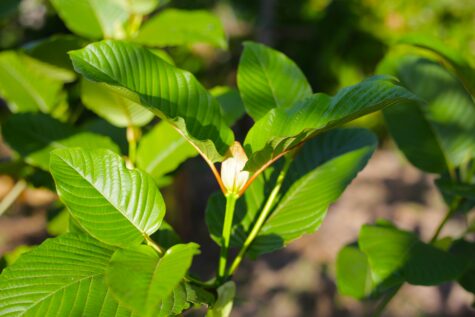
Kratom is a plant-derived substance from the leaves of Mitragyna speciosa, a tropical tree native to Southeast Asia. Its primary active compounds, mitragynine and 7-hydroxymitragynine, act on opioid receptors in the brain, producing effects that vary from stimulation at low doses to sedation and analgesia at higher doses.
Kratom is sold in South Carolina under a range of forms: powders, capsules, gummies, tablets, and liquid shots. It is commonly marketed for energy, focus, mood enhancement, or as a natural aid for managing opioid withdrawal. None of these uses have been approved by the FDA.
The public health concern is significant. Regular kratom use can produce physical dependence, and stopping suddenly can trigger a withdrawal syndrome that closely resembles opioid withdrawal, including muscle aches, nausea, anxiety, insomnia, and intense cravings. Reports of kratom-associated hospitalizations and deaths, often involving adulterated or concentrated products, have prompted regulatory action at both the state and federal level.
A Brief History of Kratom Regulation in South Carolina
For years, kratom operated in a complete regulatory vacuum in South Carolina. It was legal to buy, sell, and use with no age restrictions, no labeling requirements, and no product standards. Kratom products ranging from raw leaf powder to highly concentrated synthetic 7-hydroxymitragynine extracts sat side by side on the same convenience store shelf with no distinctions made between them.
Legislative efforts to address this began surfacing in 2023 and 2024. Two distinct camps emerged in the statehouse: those who wanted to ban kratom outright by classifying it as a Schedule I controlled substance, and those who favored a consumer-protection approach that would regulate, rather than prohibit, the product. The consumer-protection side prevailed in 2025.
The South Carolina Kratom Consumer Protection Act (2025)
South Carolina’s Senate Bill 221 was signed into law by Governor Henry McMaster on May 12, 2025, and took effect in July 2025, making it the first statewide regulatory framework for kratom in South Carolina’s history.
Under the Kratom Consumer Protection Act, the following rules now apply to anyone selling or processing kratom in the state:
Age Restriction: Retailers and processors may not sell, distribute, or furnish kratom products to anyone under 21.
Retail Display Requirements: Products are required to be kept behind store counters, similar to tobacco products, with no open consumer access for those who cannot verify their age.
Labeling Requirements: Every kratom product must carry a clear label that includes a list of ingredients, the amount of mitragynine and 7-hydroxymitragynine in the product, the name and address of the vendor or distributor, precautionary statements, and a statement that the product is not intended to diagnose, treat, cure, or prevent any medical condition or disease.
Product Safety Standards: It is unlawful to sell any kratom product that is adulterated with dangerous non-kratom substances, contains poisonous or harmful ingredients, contains fully synthetic alkaloids including fully synthetic mitragynine or 7-hydroxymitragynine, or contains levels of residual solvents above established pharmacopeia standards.
The KCPA represented a significant shift in South Carolina’s approach, moving from zero regulation to a framework that prioritizes consumer safety while preserving adult access.
The Push to Ban Kratom: H.4641 and Where It Stands
The regulatory landscape was complicated almost immediately by the introduction of two companion ban bills in the 2026 legislative session. H.4641 was introduced on January 13, 2026 and quickly accumulated 16 House sponsors, a signal of serious legislative backing.
The bill would add kratom and its related compounds, including mitragynine and 7-hydroxymitragynine, to Schedule I of South Carolina’s controlled substances list, a category reserved for drugs with a high potential for abuse and no currently accepted medical use. Concurrently, the bill would repeal the South Carolina Kratom Consumer Protection Act entirely.
The practical consequences of the ban bill becoming law would be significant. Kratom would become a controlled substance, making it illegal to buy, sell, or possess in any form anywhere in South Carolina. Retailers who have been selling it legally under the KCPA framework would be required to stop, and consumers found with kratom products could face criminal penalties.
The bill advanced out of committee and was transmitted to the Senate in spring 2026. However, South Carolina lawmakers ultimately delayed action on the bill. State senators indicated they needed more information before changing kratom laws, and the ban did not pass before the legislative session ended. Lawmakers have signaled the issue will be revisited in the next session.
What This Means for South Carolinians Right Now
As of the date of this writing, kratom remains legal in South Carolina. The KCPA framework, with its age restrictions, labeling requirements, and product safety standards, is the law in effect. Here is what that means practically:
Kratom is legal to purchase and use in South Carolina for adults 21 and older. Products must be purchased from licensed retailers who comply with KCPA standards. No statewide ban is currently in effect. However, the legislative picture is genuinely uncertain. The ban bill stalled but has significant sponsorship, and it is expected to return in the next session. South Carolinians who use kratom or have family members who do should be aware that the legal status of the substance may change.
The Health Reality Behind the Legal Debate
The legislative debate in South Carolina reflects a genuine public health tension that exists at the national level. Kratom advocates argue that natural kratom leaf products have a legitimate role in wellness and harm reduction. Public health advocates and many medical professionals point to rising rates of kratom dependence, hospitalizations, and, particularly with concentrated synthetic extracts, deaths.
Both sides of the debate can point to real evidence, which is part of why the issue has been so difficult to resolve legislatively. What is not in dispute is that kratom dependence is a real clinical phenomenon. People who use kratom regularly, particularly at high doses or with concentrated extracts, can develop significant physical and psychological dependence. When they try to stop, they experience withdrawal symptoms that are genuinely distressing and that require real clinical support to navigate safely.
The population most at risk includes people who began using kratom to manage chronic pain, people transitioning from opioid use, and people who use kratom daily as a mood or energy aid without recognizing the gradual development of tolerance and dependence.
When Kratom Use Becomes a Problem
Not everyone who uses kratom develops an addiction. But the risk is real, and it is underrecognized, in part because kratom is legal, widely available, and marketed as a natural supplement rather than a drug.
Signs that kratom use may have crossed into dependence include using every day or multiple times per day, needing more and more to get the same effect, feeling unable to function without it, continuing to use despite problems at work or at home, or experiencing withdrawal symptoms when use is reduced.
If any of these sound familiar, for yourself or for someone you love, reaching out for a professional assessment is the right next step. Kratom dependence is highly treatable. The physical withdrawal is uncomfortable but manageable with proper support. And the behavioral patterns that maintain kratom use respond well to the same evidence-based therapies used for other substance use disorders.
Southern Sky Recovery Can Help
At Southern Sky Recovery in Bluffton, SC, we treat kratom use disorder with the same clinical depth and personal care we bring to every addiction. Our outpatient programs, from standard outpatient through intensive outpatient and partial hospitalization, offer flexible, expert-guided treatment that fits into your real life.
If you or someone you love is struggling with kratom use, do not wait for the laws to change to decide whether it is a problem worth addressing. Call us today at 843.350.5769 or use our online form to start a conversation. The right help is right here.