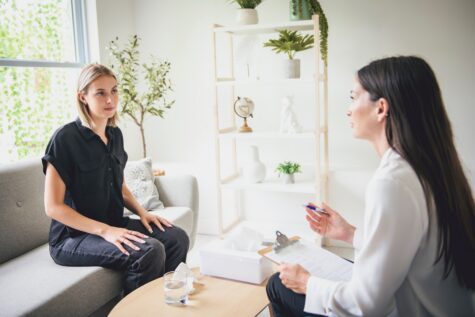
“I’ve been struggling to find joy in anything since I got sober.” If you’ve ever felt this way, you are not alone. Many people in sobriety feel this way at some time or another. While not a good feeling, it is not uncommon, and there is science behind it. This article will explain why finding joy in sobriety doesn’t always come as quickly as we would like and some things you can do to help it along.
Substance Use Changes the Brain
Drugs and alcohol “over-activate the brain’s reward circuit” and produce a euphoria or drug high. With more substance use over time, the brain adapts to the substance and makes it hard to feel pleasure from anything other than the drug or alcohol. Because of this, a lot of people struggle with sobriety. Some may relapse because they are craving dopamine, the “feel good” neurotransmitter released during activities that bring us pleasure. With prolonged substance use, dopamine starts to reinforce drug use, making sobriety more difficult.
The good news is that, in many cases, sobriety will allow the brain to heal and rediscover natural sources of joy. It just might take a little while. One word you may hear to describe this state is anhedonia, or the inability to experience joy or pleasure. Several conditions can cause anhedonia, including substance use disorder.
Three Steps to Finding Joy in Sobriety
Your brain will restore balance with time, often weeks or months, and people usually rediscover joy. Here are three steps you can take to find joy in sobriety.
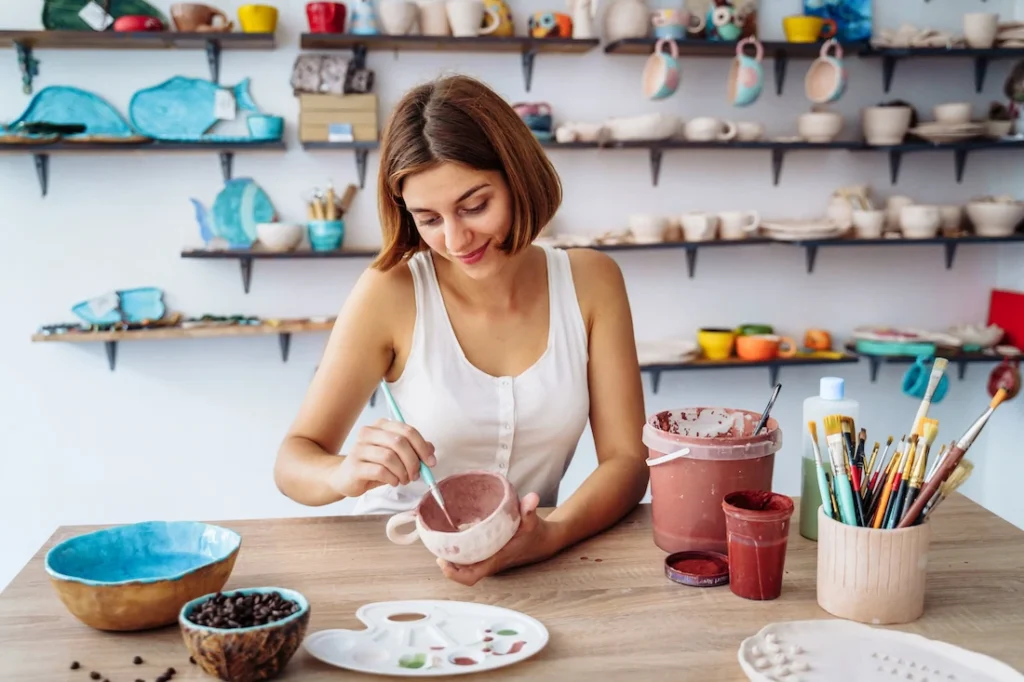
- Find and participate in activities that are meaningful to you. After many years of substance use, people sometimes forget what things used to bring them joy. If this has happened to you, don’t feel bad! Spend time thinking about things you used to enjoy or think you might enjoy today, and try them. This could be hobbies, volunteering, exercise, cooking and nutrition, or any number of things. It is never too late to take up new hobbies or reconnect with old ones. If you need help brainstorming ideas, ask a trusted friend, support group peer, or family member who might remember some of your interests when you were younger.
- Build or find supportive relationships. Many people in sobriety reconnect with old friends that they lost contact with when their substance use became more intense. Look for people that will add value to your life. You may be surprised at how happy they are to hear from you.
- Practice gratitude. Gratitude and mindfulness can supercharge our lives, including life after addiction. Many people credit gratitude for finding joy in sobriety, including Elle McPherson, who quotes writer and speaker Alan Watts: “The meaning of happiness consists in three elements—freedom, gratitude, and the sense of wonder. Life is not a problem to be solved, but an experience to be had.”
Finding Joy in Sobriety is Worth It
Joy may not immediately come in sobriety. It probably won’t. But it will come, and can be one of the most rewarding parts of one’s recovery journey. Give yourself, your body, and your brain patience. It will take time and effort to rediscover what brings you joy. Setbacks and feeling “bland” or low are a normal part of the process. Don’t give up. Find meaningful activities, uplifting people, and gratitude to support you on your journey. It will be worth it, and it is possible.
Finding Sobriety with Southern Sky Recovery
We believe recovery is more than just stopping substance use; it is about building a life where joy feels possible again. Our partial hospitalization program (PHP), intensive outpatient program (IOP), and outpatient rehab program are designed to meet you where you are. We understand addiction because we are in long-term recovery ourselves. You deserve an individualized approach to your recovery. We are here to help you on your journey. If you have been looking for treatment options, we hope you will reach out to us today to get started on your way to finding joy in sobriety.
FAQs About Finding Joy in Sobriety
Why does early sobriety feel so…meh?
Feeling emotionally flat, numb, bland, or however you would describe it, is common and often due to your brain’s adjustment to life without substances. Remember that substances have been artificially overstimulating your brain’s reward system by releasing dopamine (which gives feelings of pleasure, motivation, and satisfaction). This can be discouraging for many people, but try to reframe it as a sign that your body and you are healing. You will eventually experience fulfillment and joy from natural activities that you enjoy.
How long is it going to take to find joy in sobriety?
The timeline for finding joy in sobriety will vary by individual as a result of several factors, including the substance used and length of time, any co-occurring mental health issues, and the types of lifestyle changes made in recovery. Some people experience noticeable improvements in a few weeks; for others, it may take months or even years. Just know that joy will return, so do your best to stay consistent, set up systems, and make connections to keep you balanced and moving forward. You will feel better on the other side of this.
How can I stay positive during setbacks?
Recognizing that there are likely to be setbacks is a good first step. Then, how you interpret or think about them matters–try not to view them as a failure but instead reframe your thoughts to think of them as opportunities to grow. You will likely need to let go of self-judgment and negative self-talk. Work to create a support system and then use it. This could be a therapist, friend, or peer at recovery meetings. Then, remember to practice gratitude early and often. Some people start a gratitude journal to write down little and big things. Going for a walk, meditating, or exercising can reduce stress and help you reset your mind.
What’s one simple thing I can do today to find joy in sobriety?
Simple is good! One of the easiest ways is to try a gratitude exercise to help your brain focus on what is going well and not what is missing. One gratitude exercise to try is The Gratitude Hand:
The pinky represents “the little things.” Think of a “little thing” you are grateful for today.
The ring finger represents “relationships, past and present.” Think of a relationship you are grateful for today.
The middle finger represents a “special or important person” in your life. Think of someone you are grateful for today.
The pointer finger represents the “beauty around you.” Point at something beautiful you see today.
The thumb represents “your special qualities.” Point your thumb at your chest now and tell yourself one of your special qualities.